Their decks are not only surprisingly stronger than what you'd find against Ra Yellow or Slifer Red students, but they are pretty tough to beat(especially early on, before the player builds a consistent and functional deck) courtesy of their decks filled with practical spell/traps and high attack monsters
After beating a total of 16 bosses, comprising Club Masters and Team Great Rocket bosses, you face the original four Grand Masters and then two more mini-bosses until you come up to King Biruritchi himself where you have a best-of-three match
While the Albaz strategy is no longer meta-relevant, Mirrorjade, the Iceblade Dragon is still an amazing card that was a major part of the reason that archetype ever had competitive success
Also, there is an interesting thread here regarding how cards are designed
Its also on its second edition version now
Examples: Token deck needs token makers and ways to profit from tokens Graveyard deck needs enablers (mill, discard), recursion, and answers to grave hate Spellslinger deck needs cheap spells, cost reduction or mana, and payoff triggers Voltron deck needs protection and evasion more than it needs one extra sword This is also where your ramp and draw choices should match your plan
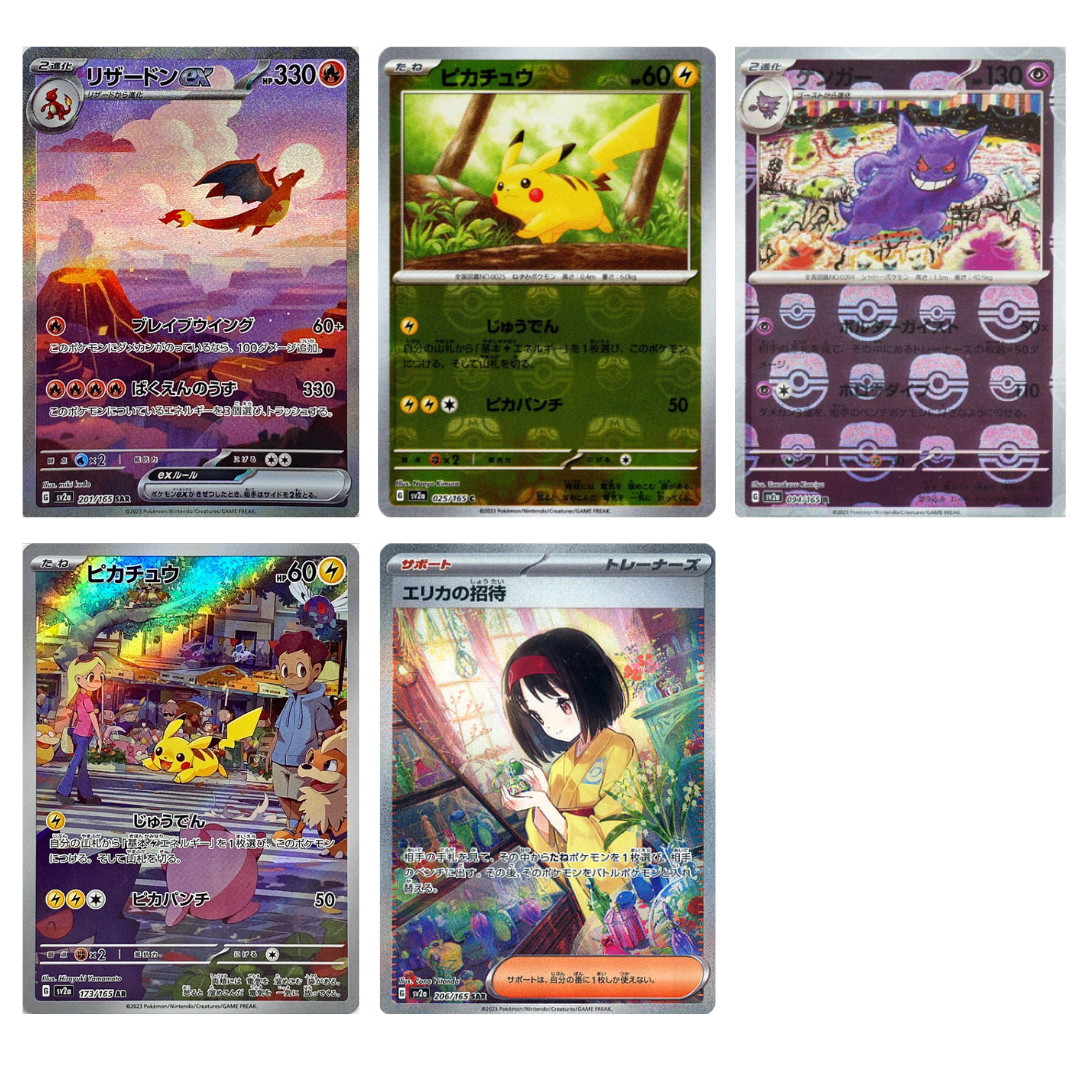




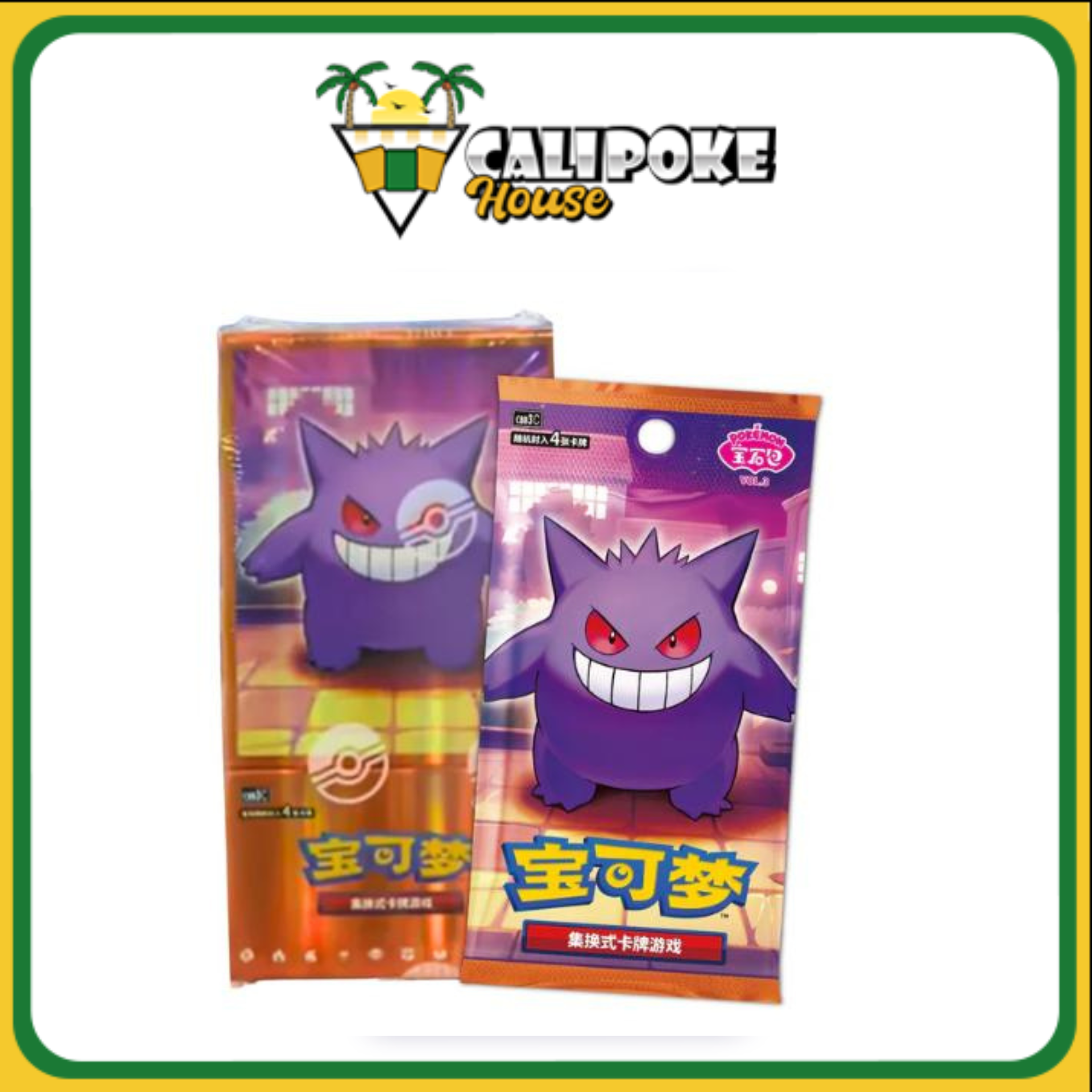
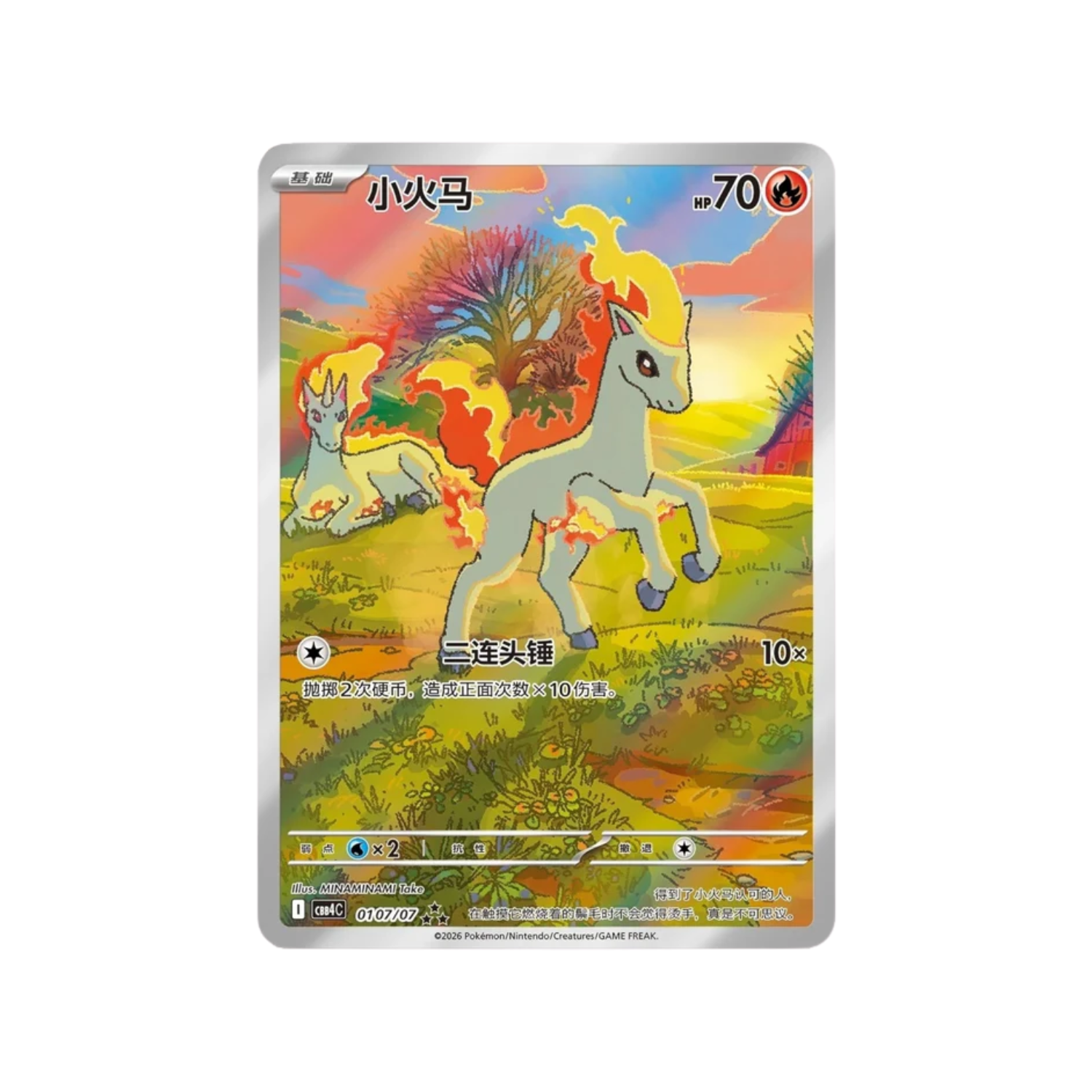
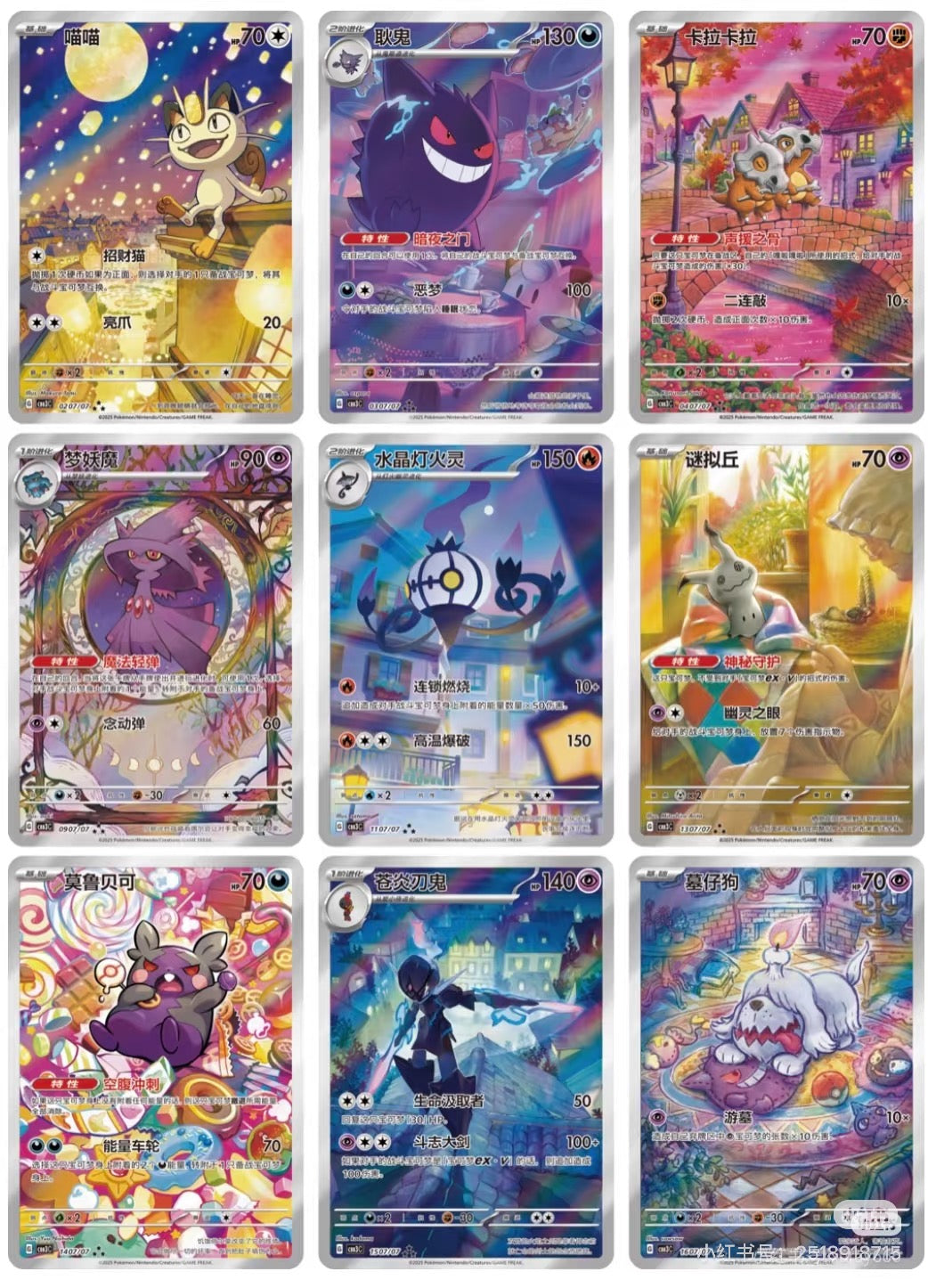
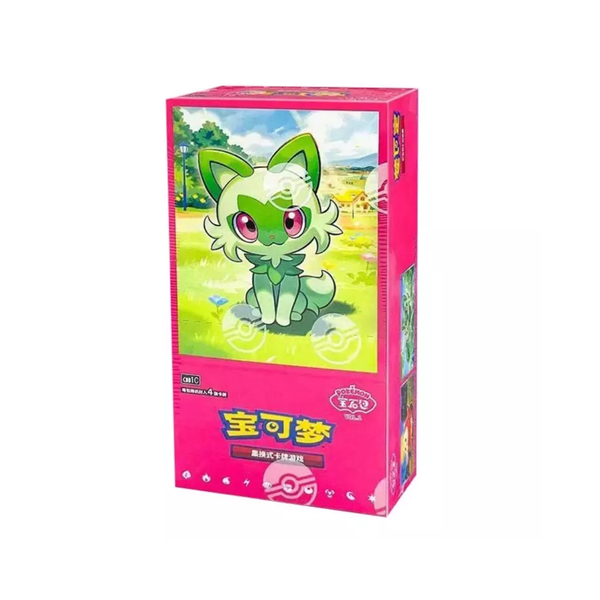
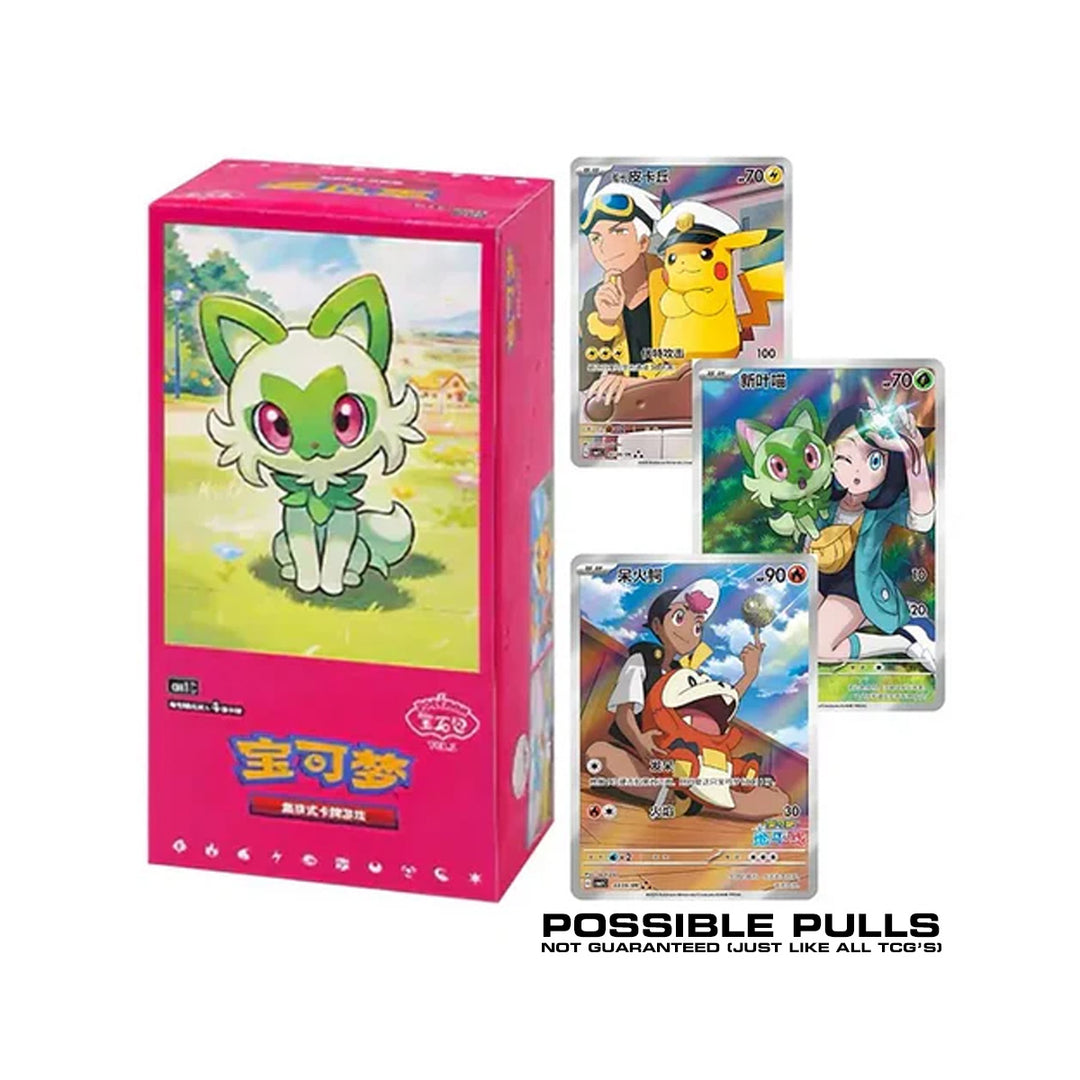
![Case Fresh] Pokemon Simplified Chinese Horizons Gemstone Gem Pack Boo – Greg's Game Shop](http://gregsgameshop.com/cdn/shop/files/gembox1.png?v=1740710468)